
What Commercial Books Are Mandatory and When Must Financial Statements Be Filed in Saudi Arabia?
Every trader must keep a journal, inventory book, and ledger for 10 years; companies must file financial statements within 6 months of the year's end.
2026-09-29
What Are Accountants' Anti-Money Laundering Obligations in Saudi Arabia?
Saudi Arabia's AML Law requires accountants to report suspicious transactions immediately, bars tipping off clients, and punishes laundering severely.
2026-09-29
What Is the Penalty for Commercial Concealment (Tasattur) in Saudi Arabia?
Saudi Arabia's Anti-Concealment Law punishes tasattur with up to 5 years in prison and a 5-million-riyal fine, plus lesser fines or closure.
2026-09-29
What Are the GOSI Contribution Rates in Saudi Arabia?
GOSI contributions total 22% of wages for pensions (11% each), 2% for occupational hazards, and 2% for unemployment insurance split equally.
2026-09-29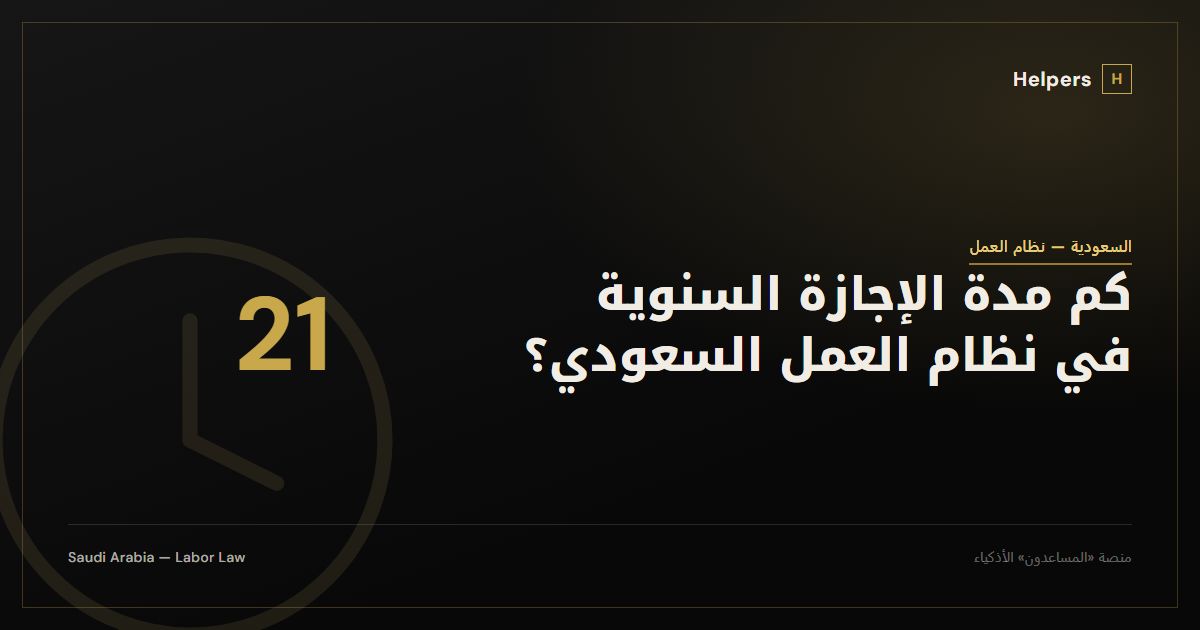
How Many Days of Annual Leave Does Saudi Labor Law Grant?
Employees are entitled to at least 21 days of paid annual leave, increased to 30 days after five consecutive years with the same employer, paid in advance.
2026-09-29
How Is End-of-Service Gratuity Calculated Under Saudi Labor Law?
End-of-service gratuity equals half a month's wage per year for the first five years, then a full month's wage per year after that, reduced on resignation.
2026-09-29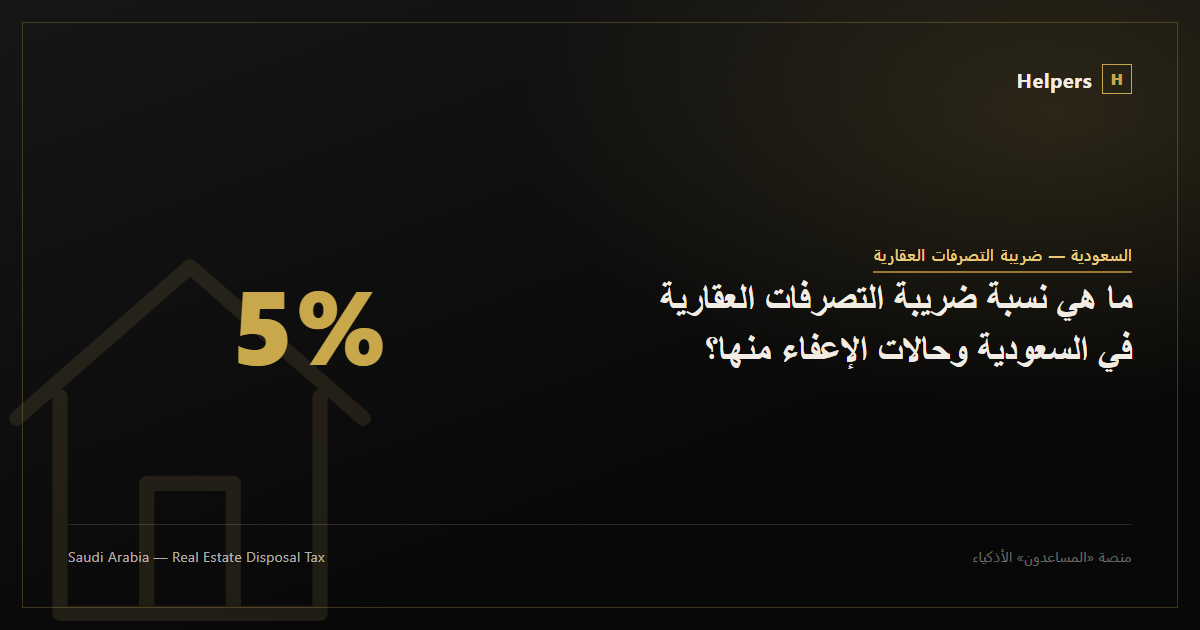
What Is the Real Estate Disposal Tax Rate in Saudi Arabia and Its Exemptions?
Saudi Arabia's Real Estate Disposal Tax is levied at 5% of the transaction value, with exemptions like inheritance division and gifts to close relatives.
2026-09-29
How Do You Object to a ZATCA Tax Decision in Saudi Arabia?
An objection starts with a grievance to the Authority within 60 days, decided within 90 days, then a window to escalate to the Dispute Resolution Circuits.
2026-09-29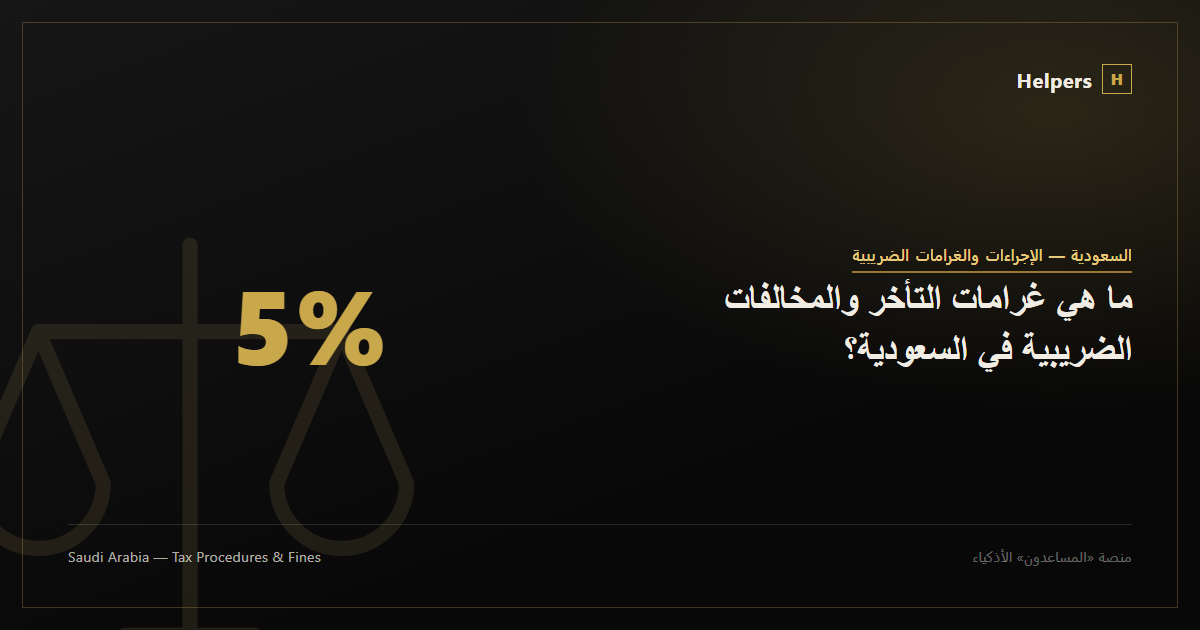
What Are the Tax Late-Filing and Late-Payment Fines in Saudi Arabia?
Saudi tax fines vary by violation: 10,000 riyals for failing to register, 5%-25% for a late return, and 5% monthly for unpaid tax.
2026-09-29
What Is E-Invoicing in Saudi Arabia and What Are Its Phases?
E-invoicing is a system for issuing and storing tax invoices electronically, rolled out in phases: issuance/storage from 2021, then integration from 2023.
2026-09-29
What Are the Transfer Pricing Rules in Saudi Arabia?
Saudi transfer pricing instructions require related parties to price transactions as if between independent parties, for tax and Zakat purposes.
2026-09-29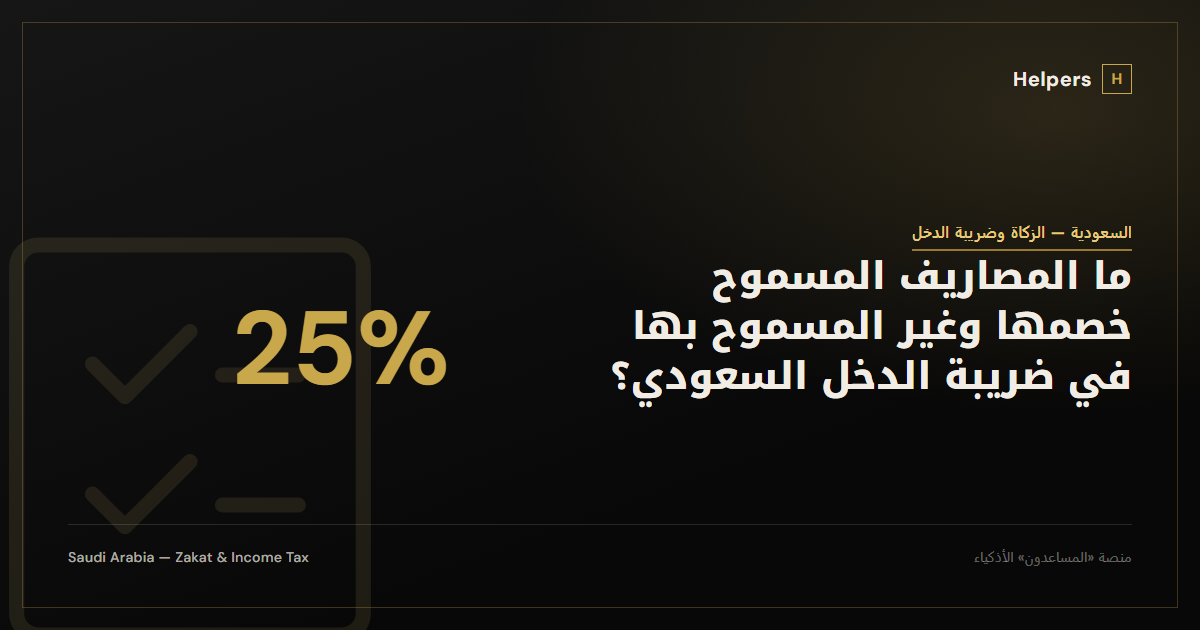
What Expenses Are Deductible and Non-Deductible Under Saudi Income Tax?
The Income Tax Law allows deducting ordinary, necessary business expenses, but disallows partner benefits, entertainment costs, tax paid, and fines.
2026-09-29
How Are Tax Losses Carried Forward Under Saudi Income Tax Law?
The Income Tax Law allows net operating losses to be carried forward and deducted from the tax base in later years until fully recovered.
2026-09-29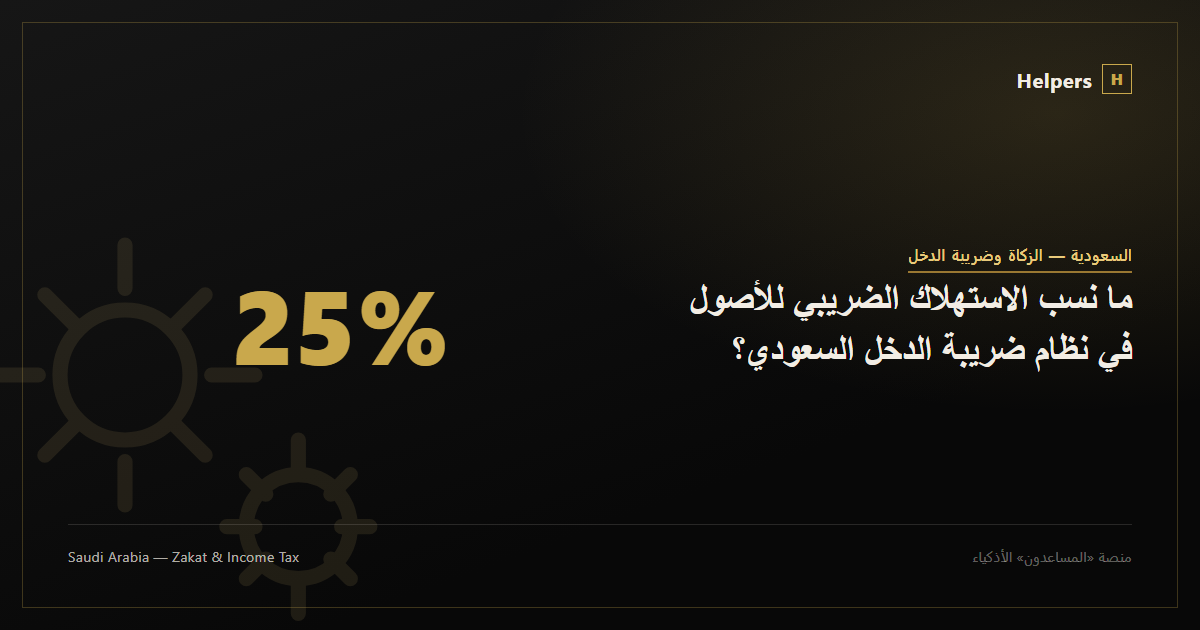
What Are the Tax Depreciation Rates for Assets Under Saudi Income Tax Law?
Saudi tax depreciation rates range from 5% for permanent buildings to 25% for machinery, equipment, and software, computed on a declining-balance basis.
2026-09-29
Who Is Considered a Tax Resident in Saudi Arabia?
An individual is tax-resident after 183 days in the Kingdom, or 30 days with a permanent home; a company is resident if formed there or managed there.
2026-09-29
What Is Withholding Tax in Saudi Arabia and What Are Its Rates by Payment Type?
Saudi Arabia imposes withholding tax on payments to non-residents at rates from 5% for rent and freight to 20% for management fees and 15% for royalties.
2026-09-29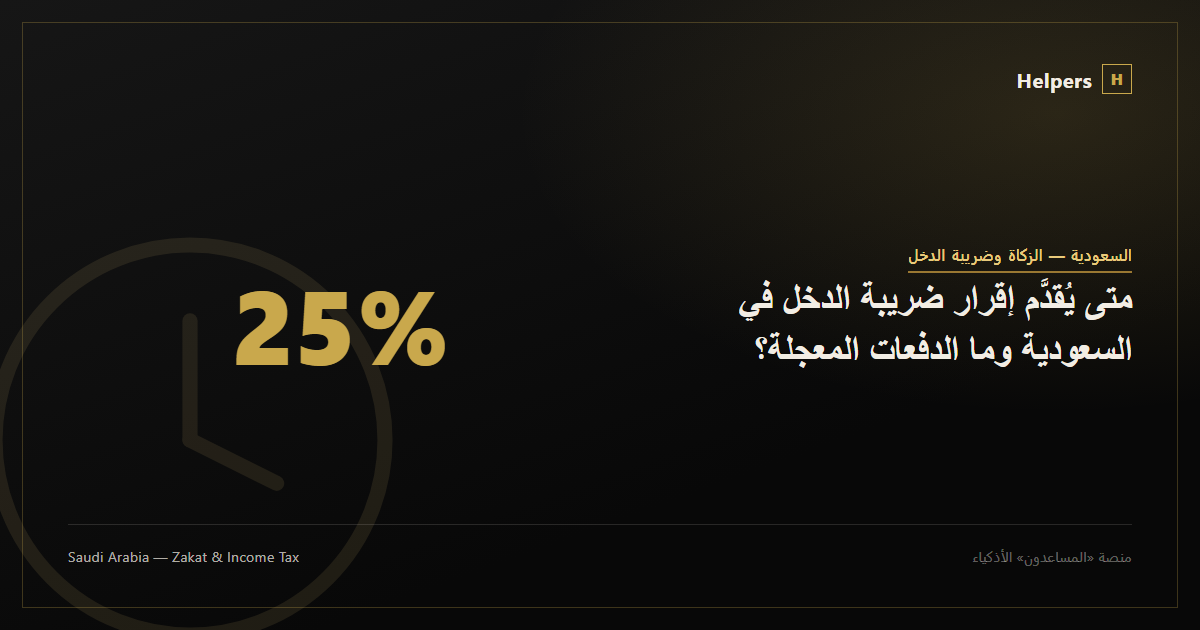
When Is the Income Tax Return Filed in Saudi Arabia and What Are Advance Instalments?
The income tax return is filed within 120 days from the end of the tax year, and the taxpayer may owe advance instalments on account of tax during the year.
2026-09-29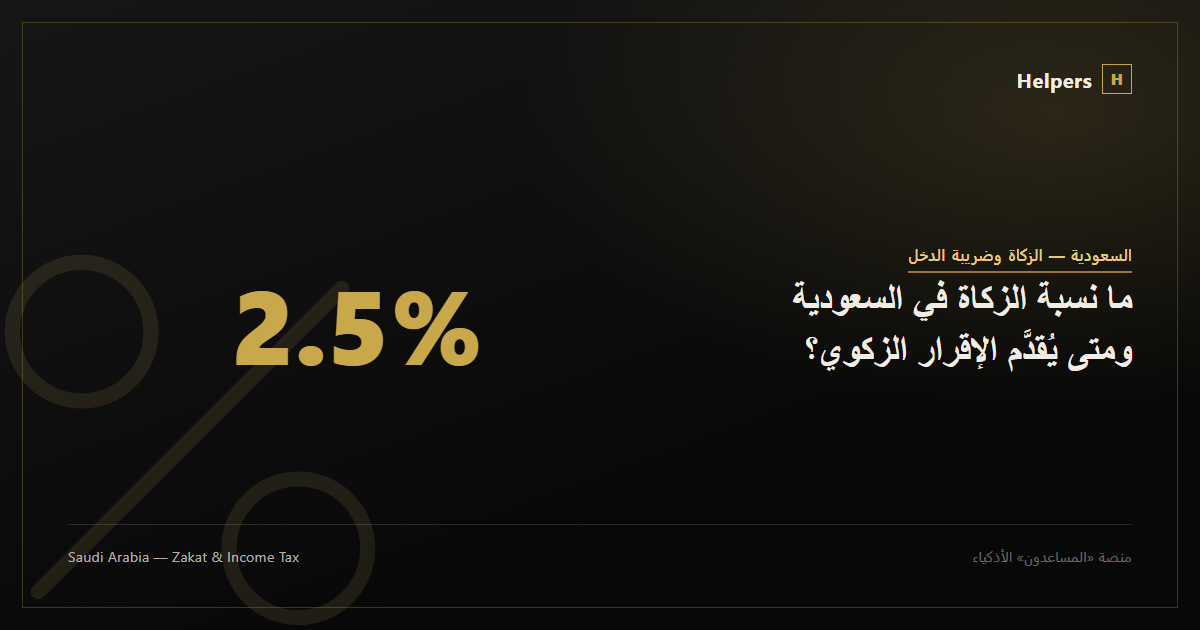
What Is the Zakat Rate in Saudi Arabia and When Is the Zakat Return Filed?
The Zakat rate in Saudi Arabia is 2.5% of the Zakat base, and the return must be filed and dues paid within 120 days from the end of the Zakat year.
2026-09-29
How Is the Zakat Base Calculated for Accounts Taxpayers in Saudi Arabia?
The Zakat base is computed by adding elements like equity and liabilities, then deducting investments and fixed assets, under the Zakat Regulations.
2026-09-29
Who Pays Zakat and Who Pays Income Tax in Saudi Arabia?
Saudi residents and the Saudi partner's share in companies pay Zakat, while resident non-Saudis and non-residents with a permanent establishment pay income tax.
2026-09-29
When Must VAT Registration Be Cancelled in Saudi Arabia?
Deregistration is required when activity ceases or supplies fall below the voluntary threshold, within 30 days of the case arising.
2026-09-29
How Is a VAT Return Corrected in Saudi Arabia?
Understated tax must be reported within 20 days unless under SAR 15,000, fixable in the next return; overstated tax is corrected within five years.
2026-09-29
What Are the Excise Tax Rates on Goods in Saudi Arabia?
100% excise on tobacco, energy drinks and e-cigarette devices and liquids, while sweetened beverages are taxed per liter based on their sugar tier.
2026-09-29
How Does VAT Apply to Imports and Exports in Saudi Arabia?
Import VAT is due when goods enter and is collected by Customs, while exports are zero-rated provided export evidence is kept within 90 days.
2026-09-29