
When Must Customer Due Diligence Be Applied Under Gulf Anti-Money Laundering Laws?
Kuwaiti, Omani and Qatari AML laws require due diligence when a relationship begins, transactions exceed a set amount, or suspicion arises.
2026-09-29
How Do Gulf and Jordanian Anti-Money Laundering Laws Define the Crime?
Jordanian, Saudi and Kuwaiti AML laws criminalise transferring or concealing funds known to be criminal proceeds, regardless of any conviction.
2026-09-29
What Is the Multilateral Instrument (MLI) Kuwait and Bahrain Joined to Amend Tax Treaties?
The BEPS Multilateral Instrument amends networks of tax treaties in one step without bilateral renegotiation; both Kuwait and Bahrain have joined it.
2026-09-29
How Does the Kuwait-UAE Double Taxation Agreement Treat Dividends and Royalties?
The Kuwait-UAE treaty taxes dividends and interest only in the beneficiary's state of residence, but caps source-state tax on royalties at 10%.
2026-09-29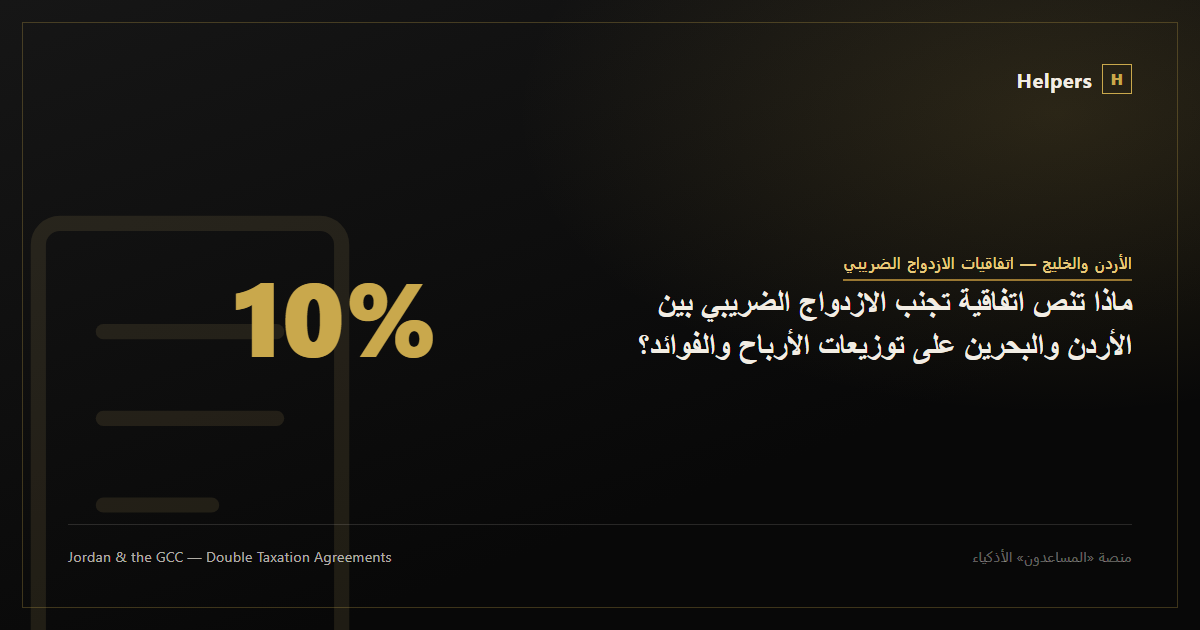
What Does the Jordan-Bahrain Double Taxation Agreement Provide on Dividends and Interest?
The Jordan-Bahrain tax treaty caps withholding tax on dividends and interest at 10%, with a six-month permanent establishment test.
2026-09-29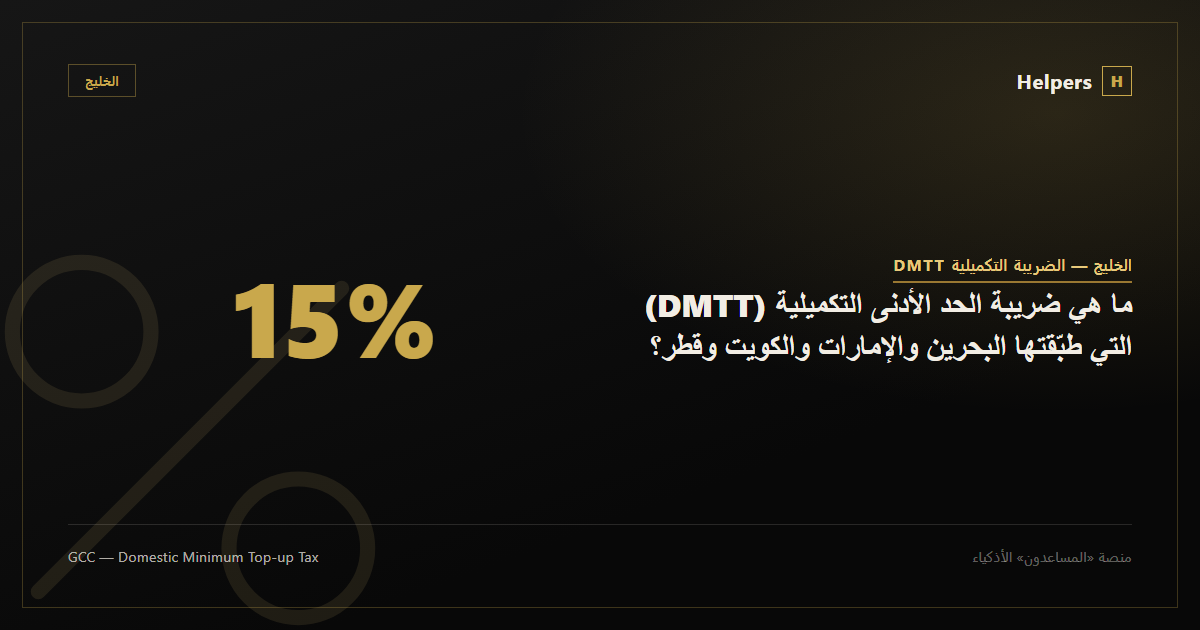
What Is the Domestic Minimum Top-up Tax (DMTT) Adopted by Bahrain, the UAE, Kuwait and Qatar?
Bahrain, the UAE, Kuwait and Qatar each set a 15% Domestic Minimum Top-up Tax with the same EUR 750 million revenue threshold.
2026-09-29
What Is the 'Tax Suspension Arrangement' Under the GCC Unified Excise Tax Agreement?
The GCC Unified Excise Tax Agreement defers tax on excise goods as long as they remain under a licensed tax warehouse's suspension arrangement.
2026-09-29
When Does the Reverse Charge Mechanism Apply to B2B Services Between GCC States?
The GCC Unified VAT Agreement places B2B services at the customer's residence, not the supplier's, requiring the customer to self-account for the tax.
2026-09-29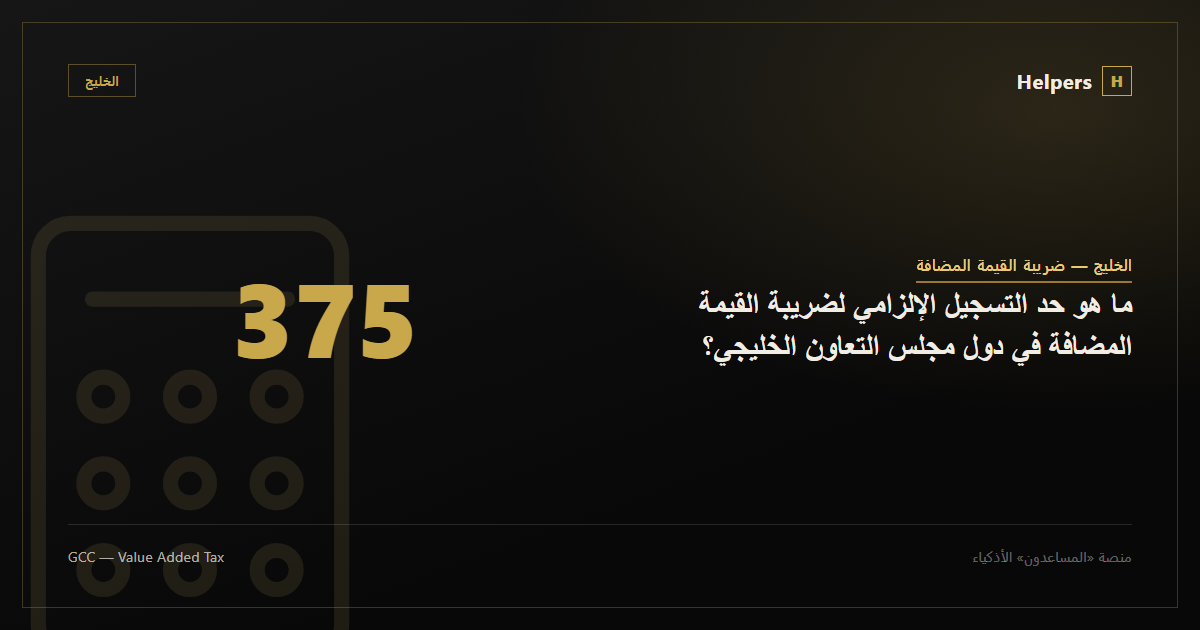
What Is the Mandatory VAT Registration Threshold Across the GCC?
The GCC Unified VAT Agreement sets one common mandatory registration threshold of SAR 375.000, or its equivalent in the other member states' currencies.
2026-09-29
How Do You Reclaim VAT in Bahrain?
A taxable person in Bahrain may request a VAT refund within five years, and the National Bureau of Revenue must decide on the request within sixty days.
2026-09-29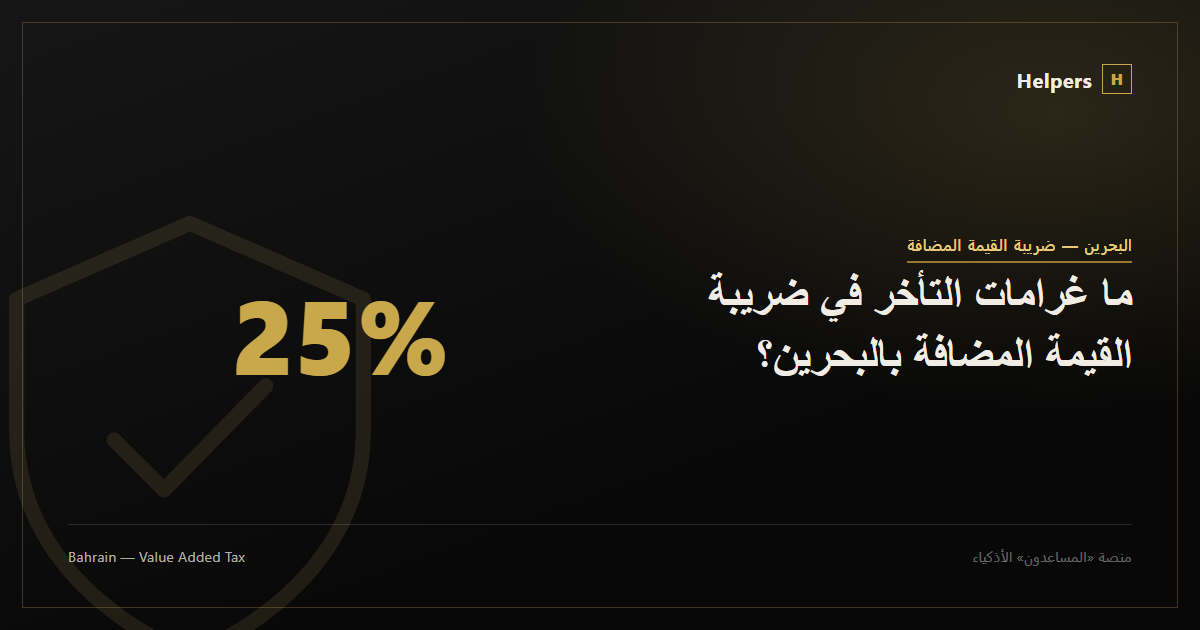
What Are the VAT Penalties for Late Filing in Bahrain?
Bahrain's VAT Law imposes an administrative fine of between 5% and 25% of the tax due for late filing of a return or late payment of tax.
2026-09-29
Who Is Subject to Bahrain's Domestic Minimum Top-Up Tax (DMTT)?
Bahrain's Domestic Minimum Top-Up Tax applies to entities of multinational enterprise groups with annual revenue of EUR 750 million, at a rate of 15%.
2026-09-29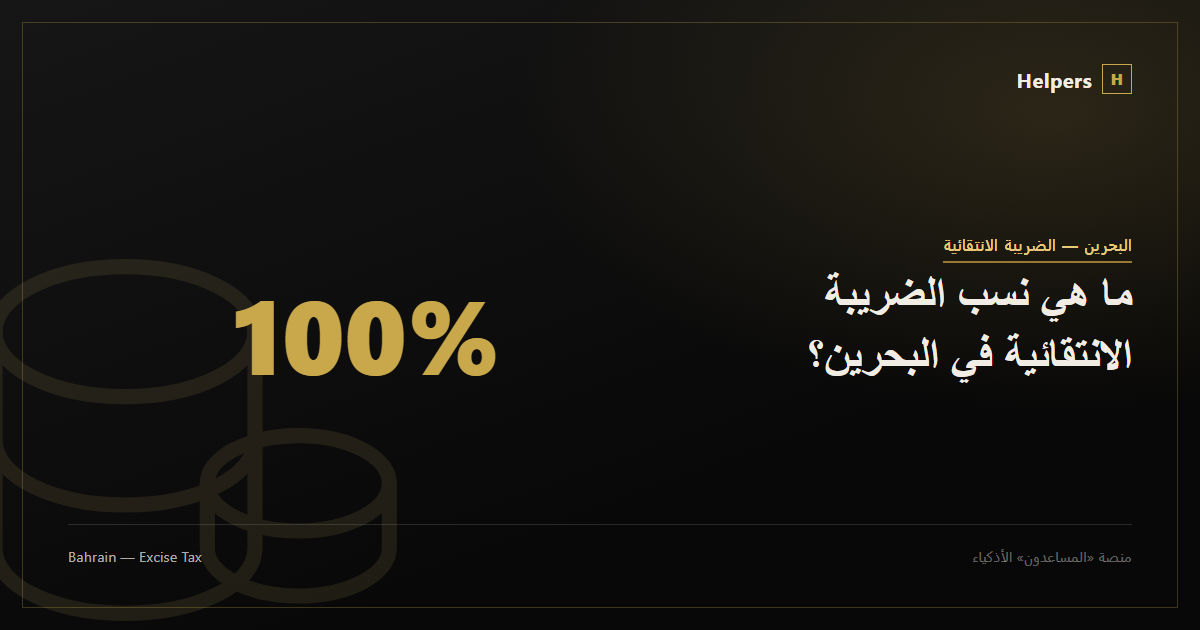
What Are the Excise Tax Rates in Bahrain?
Bahrain's Excise Tax Law imposes a 100% rate on tobacco and energy drinks, and a 50% rate on carbonated (soft) drinks.
2026-09-29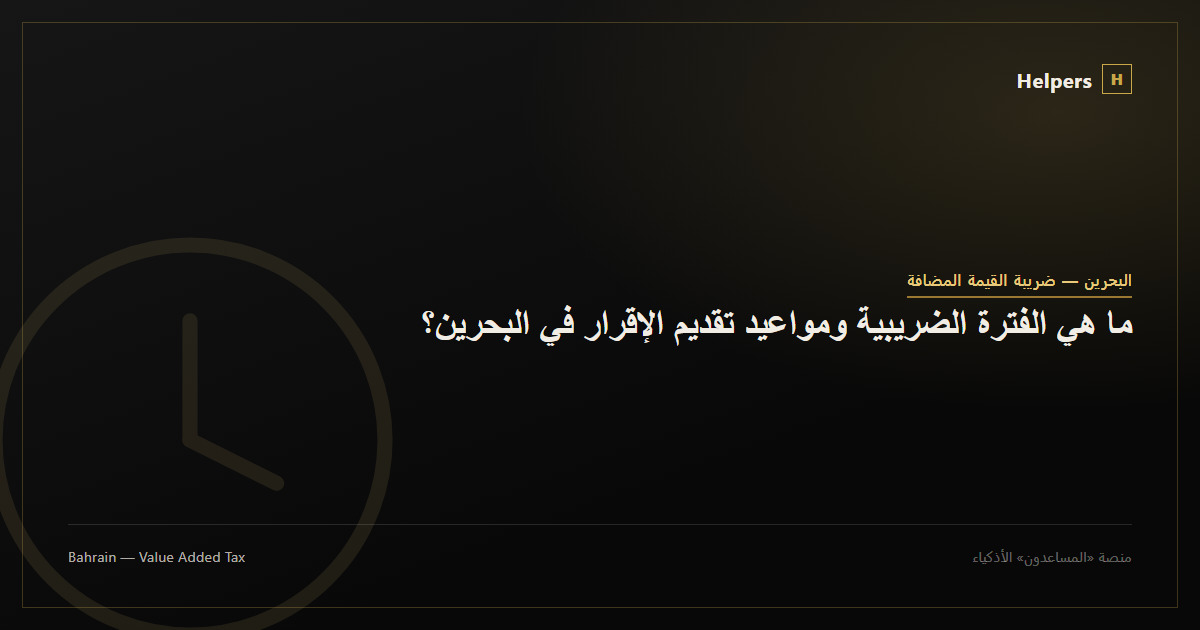
What Is the VAT Return Filing Deadline in Bahrain?
A VAT return in Bahrain must be filed for each tax period no later than the last day of the month following the end of that period.
2026-09-29
What Is the Difference Between Zero-Rated and Exempt VAT Supplies in Bahrain?
Zero-rated supplies remain taxable with a right to deduct input tax, while exempt supplies are not taxable and carry no right to deduct related input tax.
2026-09-29
How Is Input Tax Deducted Under Bahrain VAT?
A taxable person in Bahrain may deduct input tax paid on its taxable supplies, provided it retains the tax invoice or customs documents.
2026-09-29
What Must a Tax Invoice Include in Bahrain?
Bahrain's VAT Executive Regulation requires a tax invoice to contain fourteen items and to be issued within fifteen days of the month of supply.
2026-09-29
When Must a Business Register for VAT in Bahrain?
VAT registration in Bahrain is mandatory once annual supplies exceed 37,500 dinars; voluntary registration is available at half that threshold.
2026-09-29
What Is the VAT Rate in Bahrain?
Bahrain levies Value Added Tax at a standard rate of 10% on the value of a supply or import, unless the law provides for an exemption or a zero rate.
2026-09-29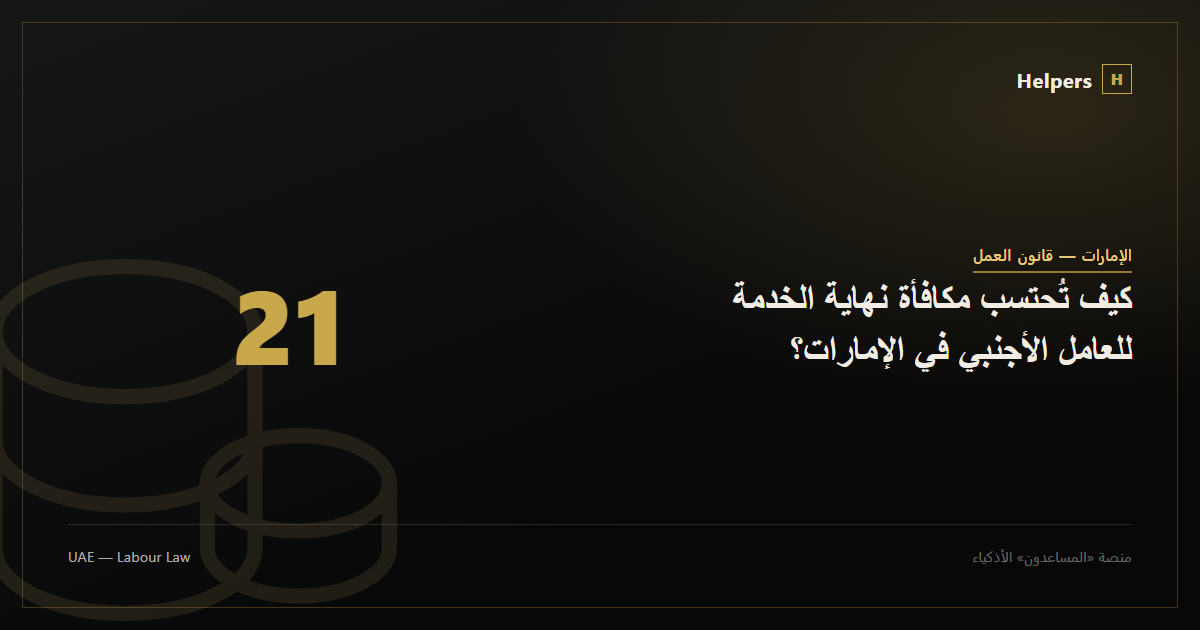
How Is End-of-Service Gratuity Calculated for Foreign Workers in the UAE?
21 days' wage per year for the first five years, then 30 days per year after that, capped overall at two years' wage.
2026-09-29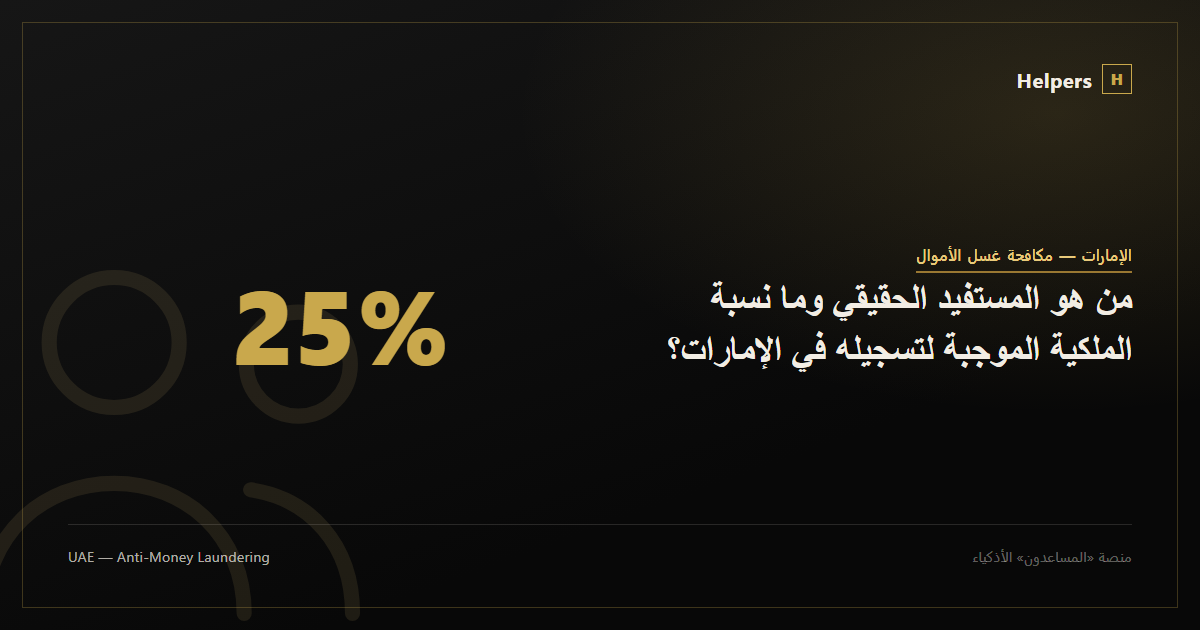
Who Is the Beneficial Owner and What Ownership Threshold Triggers Registration in the UAE?
Anyone who owns or controls 25% or more of a legal person's capital is a beneficial owner, and the register must be created within 60 days.
2026-09-29
When Is an Accountant Subject to AML Obligations in the UAE?
An accountant becomes a Designated Non-Financial Business or Profession when handling client real estate deals or fund management.
2026-09-29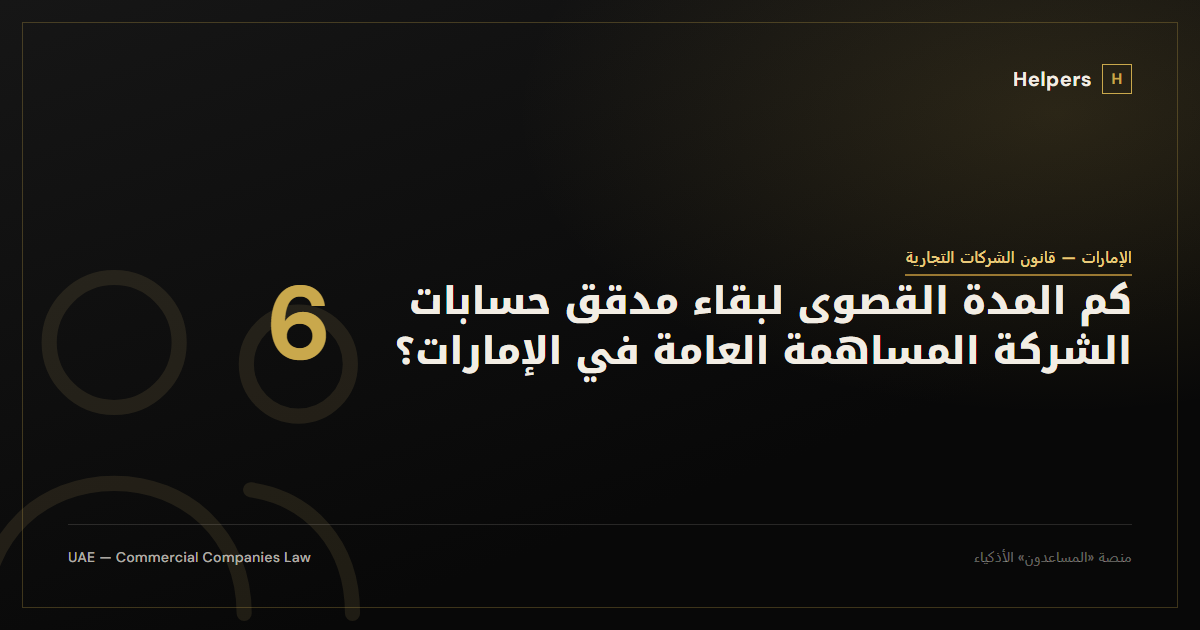
What Is the Maximum Term for a Public JSC's Auditor in the UAE?
An audit firm may not audit beyond six consecutive years; the responsible partner rotates after three years, with a two-year gap before reappointment.
2026-09-29
What Are a Company's Accounting Records and Financial Statement Duties in the UAE?
Keep accounting records for at least 5 years and prepare annual statements under international standards; each partner gets a free copy within 10 days.
2026-09-29