How Is a Distinct Performance Obligation Identified Under IFRS 15?
A good or service is distinct if the customer can benefit from it on its own and the promise is separately identifiable within the contract.
2026-09-29
What Are the Steps to Recognise Revenue Under IFRS 15?
IFRS 15 sets a sequence: identify the contract and obligations, price and allocate, then recognise revenue on transfer of control.
2026-09-29
What Is the Duty to Report Suspicious Transactions Under Gulf AML Laws?
Jordanian, Emirati, Qatari and Kuwaiti AML laws require immediate reporting to the financial intelligence unit, regardless of the transaction's value.
2026-09-29
When Must Customer Due Diligence Be Applied Under Gulf Anti-Money Laundering Laws?
Kuwaiti, Omani and Qatari AML laws require due diligence when a relationship begins, transactions exceed a set amount, or suspicion arises.
2026-09-29
How Do Gulf and Jordanian Anti-Money Laundering Laws Define the Crime?
Jordanian, Saudi and Kuwaiti AML laws criminalise transferring or concealing funds known to be criminal proceeds, regardless of any conviction.
2026-09-29
What Is the Multilateral Instrument (MLI) Kuwait and Bahrain Joined to Amend Tax Treaties?
The BEPS Multilateral Instrument amends networks of tax treaties in one step without bilateral renegotiation; both Kuwait and Bahrain have joined it.
2026-09-29
How Does the Kuwait-UAE Double Taxation Agreement Treat Dividends and Royalties?
The Kuwait-UAE treaty taxes dividends and interest only in the beneficiary's state of residence, but caps source-state tax on royalties at 10%.
2026-09-29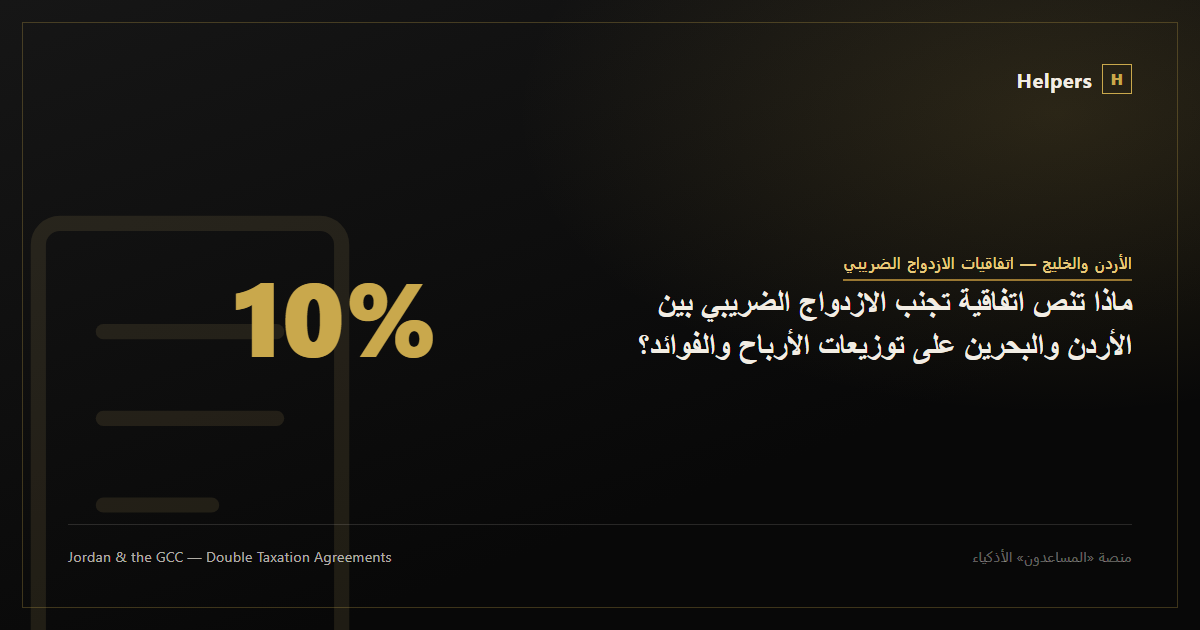
What Does the Jordan-Bahrain Double Taxation Agreement Provide on Dividends and Interest?
The Jordan-Bahrain tax treaty caps withholding tax on dividends and interest at 10%, with a six-month permanent establishment test.
2026-09-29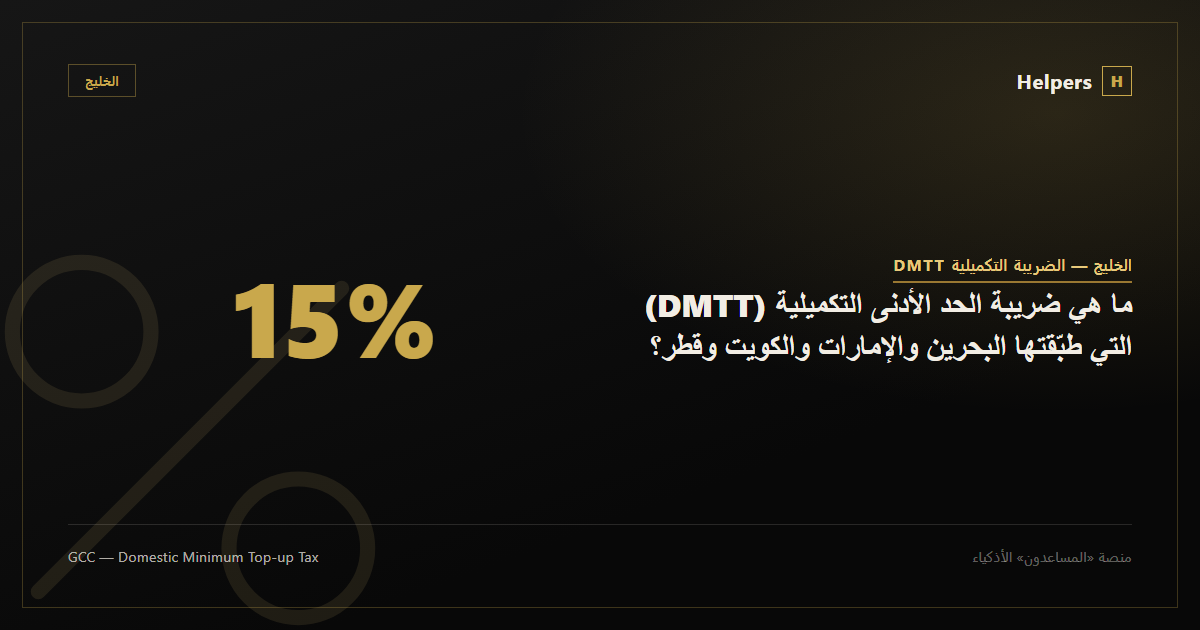
What Is the Domestic Minimum Top-up Tax (DMTT) Adopted by Bahrain, the UAE, Kuwait and Qatar?
Bahrain, the UAE, Kuwait and Qatar each set a 15% Domestic Minimum Top-up Tax with the same EUR 750 million revenue threshold.
2026-09-29
What Is the 'Tax Suspension Arrangement' Under the GCC Unified Excise Tax Agreement?
The GCC Unified Excise Tax Agreement defers tax on excise goods as long as they remain under a licensed tax warehouse's suspension arrangement.
2026-09-29
When Does the Reverse Charge Mechanism Apply to B2B Services Between GCC States?
The GCC Unified VAT Agreement places B2B services at the customer's residence, not the supplier's, requiring the customer to self-account for the tax.
2026-09-29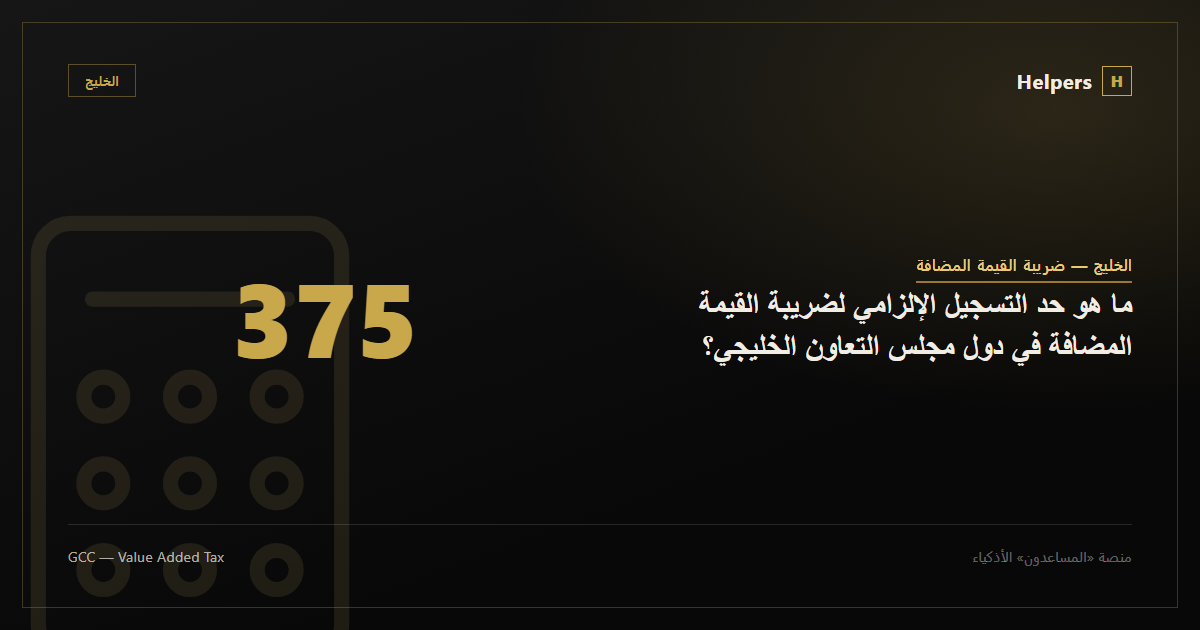
What Is the Mandatory VAT Registration Threshold Across the GCC?
The GCC Unified VAT Agreement sets one common mandatory registration threshold of SAR 375.000, or its equivalent in the other member states' currencies.
2026-09-29